The Classic Free Images collection
Researching image provenance: trace the picture without filling the gaps
Build an evidence trail one claim at a time
A convincing image can arrive with surprisingly little information. Research begins by separating what is visible, what a source states and what remains uncertain. The aim is a record another person can follow, with enough detail to distinguish a documented match from a plausible resemblance.
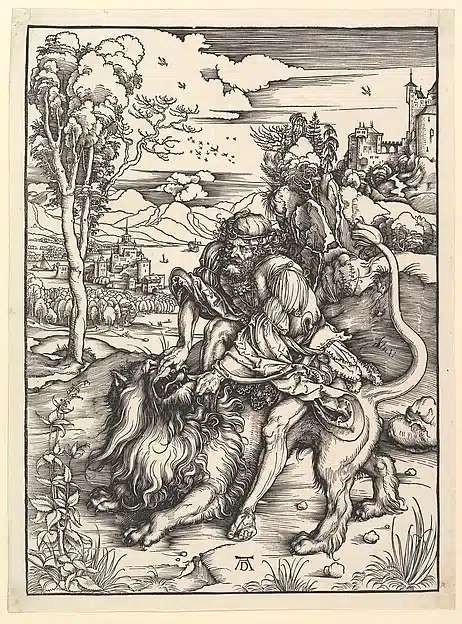
Define which history you are investigating
The word provenance is sometimes used loosely to mean any information about an image. More precisely, an object’s provenance concerns its ownership history. The V&A’s provenance research project investigates acquisition and ownership histories and acknowledges gaps in historic records.
A digital image also has a chain of copies, scans, crops and repostings. That chain may help you locate an object record, but it is not identical to the ownership history of the physical print. Keep the two lines of enquiry separate in your notes.
Set a specific question: who designed this poster, which edition does this scan reproduce, or where did this file originate? A bounded question gives you a way to decide what evidence would answer it and when further research is unlikely to help.
Preserve the starting point
Save the page address, the date consulted and the filename as received. Record the supplied caption exactly enough to identify it later. Keep an unchanged copy of the file where you are entitled to retain it, and work from a duplicate.
Note the image dimensions and whether the margins are present. A cropped image may hide the most useful evidence. A restored or colour-adjusted copy can also look different from a museum reproduction of the same underlying object.
Write a short description using only visible features. For example: “Tall illustrated advertisement; red heading; three figures; small text along lower edge.” This neutral starting point is useful when a supplied title turns out to be inaccurate.
Inventory clues before searching widely
Inspect the whole image, including blank margins and corners. Look for signatures, printers’ lines, publication titles, addresses, registration marks and handwritten notes. Distinguish text printed as part of the design from later marks on the particular object.
Transcribe a few distinctive words and indicate uncertainty. Do not silently convert an unclear letter into the word you expect. Keep an image detail beside the transcription so that you or somebody else can reconsider the reading later.
Identify which clues are likely to discriminate between similar objects. A common brand name may return thousands of results, while a printer’s address or an unusual subtitle can narrow the enquiry. Use the strongest clue first rather than combining every uncertain detail.
Search institutions as well as general image indexes
A general search can reveal likely matches, but follow the result to its source. Collection records may provide the object number, maker, technique, dimensions and acquisition information that a repost omits. Save the stable record address rather than a temporary search-results page.
The V&A explains in its collections search guidance that object pages bring together catalogue information and related knowledge, and that the database is continually updated. Treat a record as a documented source with a consultation date, not as an immutable final answer.
Try variant spellings or a shorter exact phrase when necessary. Keep a brief search log so you can distinguish a failed query from an unsearched collection. If a service is unavailable, record that limitation rather than concluding that the institution holds no relevant material.
Verify that the match is the same image
Compare small details, not only the central subject. Check the arrangement of words, the position of a signature, the border and minor background shapes. Different editions can share a principal illustration while changing the surrounding information.
Compare dimensions carefully. A museum may measure the sheet, the printed area or both, while your file is measured in pixels. Similar proportions support a comparison, but they do not establish the physical size or prove that two reproductions show the same impression.
Look for evidence of cropping or alteration. If a source supplies a complete sheet and your image lacks its lower text panel, record that difference. A close visual match with a documented crop is more informative than a confident claim that the files are identical.
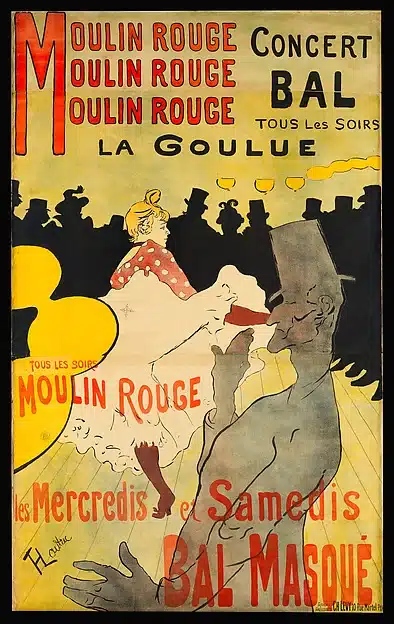
Attach each claim to its evidence
Create a simple record with fields for the claim, source, supporting detail and confidence. “Artist: named in museum record” is different from “artist: suggested by an auction caption.” If several websites repeat the same wording, they may all derive from one source.
Keep supplied titles separate from descriptive titles you write for convenience. Preserve qualifiers such as “attributed to,” “after,” “probably” or “circa.” Removing them can turn a cautious catalogue entry into a stronger statement than the evidence supports.
When sources disagree, record the disagreement. Check whether they discuss different editions or use different definitions. You may be able to resolve the issue, but leaving an explicit unresolved question is preferable to combining incompatible claims into a new invented account.
Check rights as a related but distinct task
Identifying an artist and date helps with a rights enquiry, but it is not the whole enquiry. Read the individual image’s rights label and the supplying institution’s reuse information. A page can contain separately protected text, photography or design elements.
Record the wording and link associated with the actual file you plan to use. The two Met examples illustrated here have Open Access records; that does not establish the status of every reproduction found elsewhere or every picture held by the museum.
For practical reuse questions, continue with vintage image licensing and finding public-domain art. Where the consequences matter and the position remains unclear, obtain appropriate professional advice before publication.
Decide when to pause the enquiry
Set a reasonable stopping point when no stronger evidence is available. List the next useful action, such as consulting an uncropped reproduction or finding a named publication, instead of repeating broad searches. A record marked “unidentified, with these clues” can still help future research. It also prevents a tentative suggestion from becoming an apparently verified fact simply because it has been copied into several folders.
Use tools as leads, then leave a useful handover
Reverse-image searching, automatic text recognition and visual recognition can suggest a title or matching object. They can also confidently misread a brand, invent a date or confuse related compositions. Keep their suggestions in a research-notes field until you have independent support.
Finish with a concise account of what you established, which sources support it and what remains unknown. Include object numbers, full page addresses and the differences between your file and any documented example. Another person should be able to repeat the important steps.
Try the workflow on one image from the Advertising Posters or Theatre Posters gallery. A carefully documented single image is a better foundation than a large spreadsheet of unsupported names. Revisit the record when new evidence appears, retaining the earlier uncertainty as part of the research history.